Electricity, Water, and Gas Consumption in Vacation Rentals: How to Control Them Without Breaking the Bank
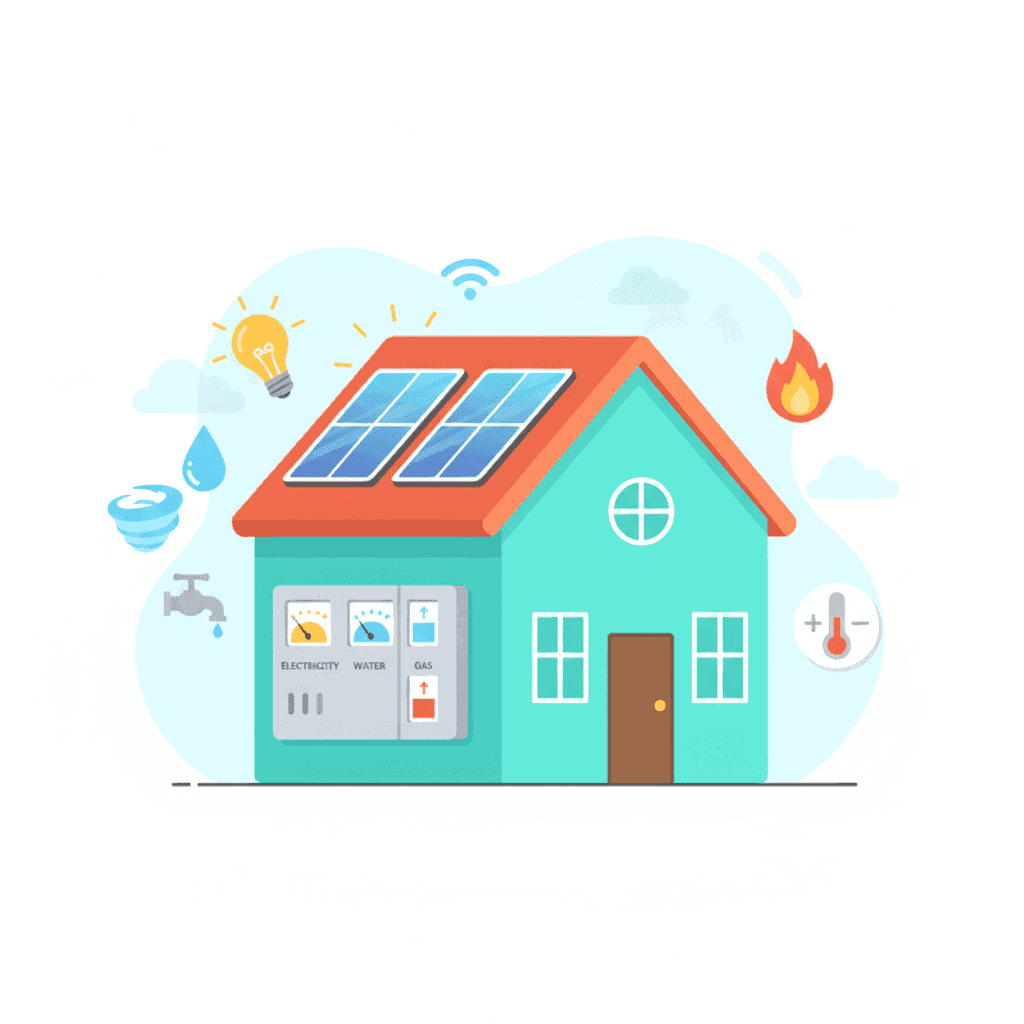
Guests don't pay the electricity bill. Nor the water bill. Nor the gas bill. And you can notice it. They set the air conditioning to 18 degrees with the windows open, leave the lights on all day, and take 40-minute showers. If you don't control consumption, your profit margin gets eaten up by bills. In this post, I tell you how to manage them without turning into the stingy owner who appears in negative reviews.
Why does consumption spike in vacation rentals
A traditional rental apartment consumes the normal amount: the tenant pays and adjusts. In vacation rentals, everything changes. The guest comes to enjoy, not to save you money. And they don't do it out of malice; they do it because:
- The bill isn't theirs.
- They are on vacation and want to be comfortable.
- They don't know the installation (they don't know if the water heater takes time, if the air cools quickly, etc.).
- Often, they are not even home and leave appliances on.
The result: a vacation rental can consume 2 to 4 times more electricity per m² than the same property rented long-term. It's a fact most novice owners ignore until the first August bill arrives.
How much is really spent: real numbers
Let's talk about money. These are average consumptions for a 2-bedroom vacation rental (4-5 guests) in Spain:
| Supply | Low season (month) | High season (month) |
|---|---|---|
| Electricity | €80-120 | €180-300 |
| Water | €25-40 | €50-90 |
| Gas (if any) | €30-60 | €40-80 |
| Internet | €30-45 | €30-45 |
In August, with air conditioning 24/7 and a family of 5 taking showers twice a day, I've seen electricity bills of €400 in a small apartment. It's not uncommon.
If you rent at €120/night with 25 occupied nights, you earn €3,000. Losing €350 just on electricity and water is 12% of your revenue. And that doesn't include cleaning, commissions, property tax, etc.
Electricity: where your money goes
70-80% of summer electricity consumption is from air conditioning. In winter, it's heating (if electric). The rest is lighting, appliances, and standby.
Air conditioning: the main culprit
A 3,500 BTU split unit running 8 hours a day at 18 degrees consumes about 3-4 kWh per hour. At €0.18/kWh, that's €4-6 per day just for air conditioning. Multiply by 30 days.
What to do:
- Install smart thermostats like Tado, Sensibo, or Cielo Breez. They cost €100-200 and let you set a minimum temperature (e.g., no lower than 22 degrees in cooling mode).
- Open window detectors: if the guest opens the window with the air on, the system automatically turns it off. Some models include this feature.
- Automatic shut-off programs when no one is present (if you have a smart lock or presence sensor).
Note: don't be stingy. Blocking the air at 26 degrees in August is the best way to get a one-star review. Let the guest choose between 22 and 26. That's reasonable.
If you're interested in this topic, I detail it in Heating and air conditioning in vacation rentals.
Lighting: LED mandatory
Replace all bulbs with LED. A 60W halogen bulb consumes 6 times more than a 10W LED with the same brightness. If you have 15 light points, that's an easy €40-50 savings per year. More info at Lighting in your vacation rental.
Standby and forgotten devices
Guests leave the TV on, the air conditioning on, bathroom lights... Solutions:
- Power strips with visible switches.
- Basic home automation: turn everything off automatically at check-out (depending on the time).
- Friendly sign at check-out reminding to turn off air conditioning and lights.
Water: less obvious but also rising
Water is cheaper than electricity but can quickly get out of control. Family of 5, pool, garden, long showers... and in areas with high water rates (Balearic Islands, parts of Catalonia), the bill adds up.
What to do:
- Aerators on faucets: €3-5 each, reduce flow by 40-50% without the guest noticing.
- Low-flow showerheads: €15-25, save up to 8 liters per minute.
- Dual-flush toilets: replace old ones if you still have them.
- Leak detectors: a dripping tap or poorly filling toilet can cost €30-50 per month without you noticing.
If you have a pool, here I explain the actual consumption and costs.
Gas: beware of butane and boilers
If you have a natural gas or butane boiler, consumption depends heavily on whether the hot water (ACS) and heating are gas-powered. A guest taking a 30-minute shower with a gas boiler spends about €1-1.5 just on hot water.
Alternatives:
- Electric water heater with timer: no longer heats 24/7. Scheduled to heat twice a day, it saves 30-40%.
- Air-source heat pumps: high initial investment (€4,000-8,000) but 3-4 times lower consumption than gas.
- Solar thermal panels: in sunny areas, payback in 5-7 years.
More info at Hot water in vacation rentals.
Tricks that work (and are legal)
1. Time-of-use electricity rates
With the 2.0TD rate (standard domestic), you have three periods: peak, flat, and off-peak. Off-peak (night, weekends, holidays) is half price. If your property has an electric water heater or programmable dishwasher, take advantage.
But beware: not all vacation rentals benefit. If your guests use the air conditioning during peak hours (afternoon-evening), you'll pay more. Check your bill before changing.
2. Optimize contracted power
Many have 5.75 kW contracted when 4.4 kW suffices. Lowering power saves €10-15/month on the fixed fee. Review your peak usage history.
3. Solar panels (self-consumption)
If your vacation rental has a roof or terrace and you're in a sunny area, it's obvious. Installing 2-3 kW costs €3,000-5,000. Annual savings: €500-900. Payback in 5-7 years. And it boosts your listing's appeal ("eco-friendly").
4. Pass on high consumption costs (carefully)
For long stays (more than 15-20 days), you can indicate in the listing that electricity costs above a certain threshold are charged separately. It's common and legal if clearly communicated before booking. Not worth the friction for short stays.
If you have long stays, here I explain it better.
Communicating without being the annoying owner
This is key. You can save €100 a month on electricity, but if the guest feels watched or uncomfortable, it costs you reviews and repeat bookings.
What works:
- A brief message in the welcome manual: "We care about the environment. Please turn off the air conditioning when you leave and set it to 24 degrees if comfortable. Thank you."
- Clear instructions on how each device works. A guest who doesn't understand the air conditioning will just set it to maximum.
- No threatening signs like "NO OPEN WINDOWS WITH AIR ON". Terrible.
More on this in Welcome manual in your vacation rental.
Investments that pay off quickly
| Improvement | Approximate Cost | Annual Savings | Payback Period |
|---|---|---|---|
| LED throughout the house | €100-150 | €40-60 | 2-3 years |
| Smart thermostat | €150-250 | €100-200 | 1-2 years |
| Aerators + showerheads | €30-50 | €40-70 | 1 year |
| Timer water heater | €200-300 | €80-120 | 2-3 years |
| 2 kW solar panels | €3,500-5,000 | €500-800 | 5-7 years |
| Air-source heat pumps | €5,000-8,000 | €600-1,000 | 6-8 years |
Common mistakes
- Not checking the bill until year-end. Review monthly. A strange consumption can be detected early.
- Not having your own meter. If sharing a meter with another property or community, you won't know who consumes what. It's a mess.
- Being aggressive with the guest. Blocking the air, cutting hot water, leaving the house at 15 degrees in winter... guaranteed negative review.
- Not doing maintenance. A dirty air conditioner consumes 20-30% more. A poorly calibrated boiler wastes gas.
- Ignoring leaks. A dripping tap is 30 liters a day. A poorly filling toilet, 200 liters a day.
How Autoregistro fits in
Controlling consumption is just one part of managing your vacation rental. Another, legally required, is registering each guest in SES Hospedajes and keeping the data for 3 years. It's a hassle that takes time and can lead to errors.
Autoregistro handles that: guests fill out a form from their phone before arrival, and data is sent automatically to SES Hospedajes. Costs €1 per month per property, less than a coffee. This way, you forget about paperwork and focus on what matters: that the house works and bills don't drown you.
Frequently Asked Questions
Can I force the guest to keep the air above a minimum temperature?
Yes, technically with thermostats that limit the range. But communicate this before booking and be reasonable: blocking at 26 degrees in August is abuse. 22-23 degrees is acceptable.
Is it worth installing solar panels in a vacation rental?
If the property is yours and in a sunny area (southern Spain, Levante, Balearic Islands), yes. Payback in 5-7 years and increases listing appeal. If rented out or to be sold in 2 years, probably not.
Can I charge guests separately for consumption?
For short stays (less than 15 days), it's not practical and deters bookings. For long stays (over a month), it's common, always clearly indicated before booking.
What's better, electric water heater or gas boiler for vacation rentals?
Depends on the area and usage. Electric heater with timer is cheaper to install and often suitable for small irregular-use apartments. Gas boiler is better if you also have gas heating and high usage. Air-source heat pumps are the best medium-term option if you can invest.
How do I detect a water leak without seeing it?
Close all taps, check the meter, and wait 30 minutes without using water. If the meter has moved, there's a leak. You can also install leak sensors (€30-80) that alert your phone.
Related posts

Lighting in your tourist accommodation: how to light well, spend little, and boost your reviews
Lighting is one of the details that most impacts photos, reviews, and electricity bills, but almost no one pays attention to it. I tell you what bulbs to use, where to place light points, and how much you can save annually.
Heating and air conditioning in holiday homes: what to install, how much you spend, and how to avoid crazy bills
Practical guide to choosing a climate control system in your vacation rental: types, actual installation and consumption costs, and how to prevent your guests from skyrocketing your electricity bill.
Ready to automate your guest registration?
Create your account and start streamlining SES Hospedajes compliance for your Spanish rentals.
Get started