Salt, oil, and spices in vacation rental: what to leave, what to avoid, and how much it really costs
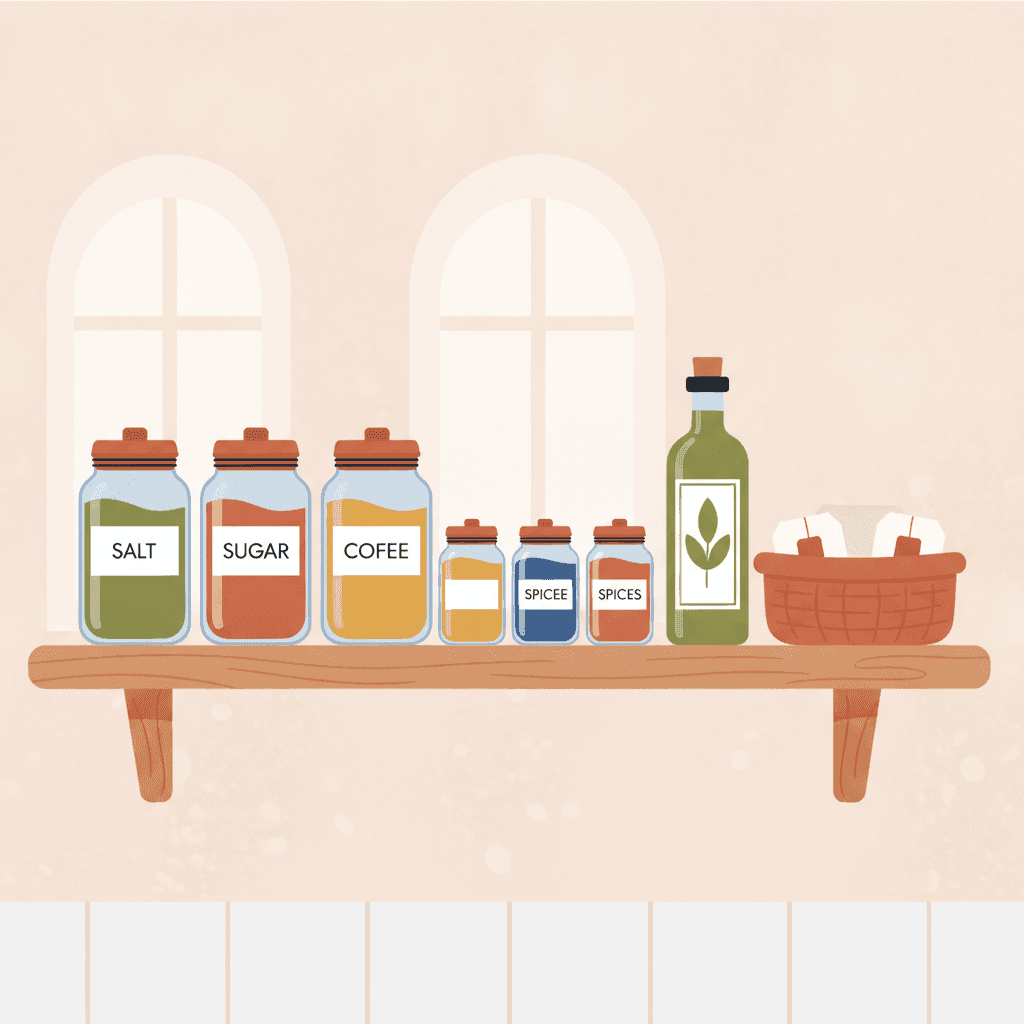
It may seem trivial, but it’s not. The first time a guest opens your kitchen cabinet and finds no salt, they’re disappointed. And that disappointment sometimes results in a 4-star review instead of 5. In this post, I’ll tell you which kitchen basics (salt, oil, spices, sugar, coffee) are worth leaving in your vacation home, which are a waste of money, the total cost of the complete kit, and the common mistakes most owners make.
Why this matters more than it seems
A guest arrives late, tired, hungry. They go to the supermarket, buy pasta and vegetables. They come back, start cooking. And there’s no salt. No oil. Not even a miserable stock cube.
What happens? They leave again, eat poorly, or order takeout. And even if they don’t mention it in the review, it stays in their mind: "missing basic things".
On Airbnb and Booking, the difference between 4.8 and 4.9 stars can be a 40-cent jar of salt. Seriously.
Basic kitchen items are among the details with the best cost-benefit ratio that exist. You spend little, improve reviews, and avoid silent complaints.
What guests really expect
It depends on the type of stay. It’s not the same a one-night stay as a 10-day family vacation.
Short stays (1-3 nights)
People usually don’t cook much. But they do need:
- Salt
- Oil (even if just a little)
- Sugar or sweetener
- Coffee or tea (more on this below)
- Kitchen paper
Medium stays (4-7 nights)
Here, they cook more. Add:
- Pepper
- Vinegar
- Some basic spices (oregano, paprika)
- Coarse salt for pasta
- Reasonable amount of oil
Long stays (more than 7 nights)
People live normally. No need to fill the pantry, but the initial kit should be decent for the first days.
The basic kit I recommend
This is what I would put in any vacation rental, without exceptions:
| Product | Format | Approximate Cost | Estimated Duration |
|---|---|---|---|
| Fine salt | Table salt shaker | €0.50 | 2-3 months |
| Olive oil | Small bottle 500ml | €3-4 | 1-2 months |
| Sugar | Small jar or sachets | €1 | 2-3 months |
| Ground pepper | Disposable grinder | €1.50 | 3-4 months |
| Instant coffee | Small jar of Nescafé | €3 | 1-2 months |
| Tea (bags) | Box of 10-20 | €2 | 1-2 months |
| Kitchen paper | 1 roll | €1 | 1 stay |
| Cling film or aluminum foil | Small roll | €2 | 2-3 months |
Total cost of the initial kit: around €15. Monthly replenishment: €5-10 depending on occupancy.
If you have 20 bookings a month, that’s about 25-50 cents per reservation. Less than a candy.
What adds points (and costs almost nothing)
If you want to go a step further and stand out:
Basic spices
- Oregano
- Paprika (sweet and hot)
- Garlic powder
- Cumin
- Provençal herbs
A complete set of basic spices costs €8-12 at Mercadona or Lidl and lasts for months. Guests who cook notice this a lot.
Real olive oil
Don’t put cheap refined oil. If you’re in Spain, use extra virgin olive oil. It doesn’t have to be gourmet, but a decent 500ml extra virgin costs €4-5 and conveys quality.
Foreign tourists love it. And Spaniards don’t think you’re cheap.
Vinegar
A normal white wine vinegar. €1.50. Used sparingly, but when needed, it’s essential.
Coarse salt
For boiling pasta and potatoes. A 500g pack costs €0.60 and lasts forever.
What’s NOT worth including
This is where many owners get confused and overspend:
Perishable food
No milk, eggs, butter, or yogurts. They expire, spoil, smell bad, and you have to throw them away. Unless you offer breakfast as a service, forget it.
Open sauces
Mayonnaise, ketchup, mustard. Once opened, they disgust the next guests. If you include them, make sure they are single-use sachets.
Expensive or rare spices
Saffron, truffle, gourmet curry. No one will use them, and when someone opens the jar, they’ll see it’s half-used and think it’s rancid.
Alcohol
A welcome bottle of wine is a nice touch. Filling the minibar is asking for trouble: they drink it, don’t replenish, and then you have to check each stay.
Special oils
Sesame, coconut, avocado oils. No one will cook Thai food during your 3-night getaway. Focus on olive oil only.
Giant tea kits
You don’t need 15 varieties. Black, green, and one infusion (chamomile or mint) are enough.
Coffee: the eternal debate
This is where most owners make mistakes. I cover it in detail in the post about coffee makers in vacation rentals, but here’s a summary:
- If you have a capsule coffee machine: leave 4-6 capsules per stay. Cost: €2-3.
- If you have a moka pot: leave a small pack of ground coffee (250g, about €3).
- If you have a drip coffee maker: normal ground coffee and paper filters.
- Always leave instant coffee in a jar (for those who don’t know how to use the machine or want something quick).
And sugar. Sachets or a small jar. And sweetener if possible.
How to present it
This is as important as the content. An open and loose product cabinet gives a bad impression. Ideas:
Reusable glass jars
Buy glass jars with airtight lids from Ikea or Amazon. Label each: SALT, SUGAR, COFFEE, etc. It looks tidy and is more hygienic.
Cost: €15-20 for 6-8 jars. They last for years.
Basket or tray
Group spices in a small basket or tray. It looks organized and guests find everything without opening 20 cabinets.
No open bags
If salt comes in a bag, transfer it to a jar. An open bag with a clip looks like a rental apartment.
Replenishment: how to do it without going crazy
If you have only one property and clean it yourself, it’s easy: check each checkout and restock what’s missing.
If you have an external cleaning company, include basic checks in the checklist. Tell them: if less than a third of the jar remains, it’s replaced.
Tip: keep a "stock" cabinet or box in the property (or at home if you live nearby) with replacements for everything. This way, the cleaning team doesn’t have to go to the supermarket constantly.
Actual annual budget
For a property with medium occupancy (15-20 bookings per month):
- Initial kit: €15-20 (once a year, re-stocking what runs out)
- Monthly replenishment: €8-12
- Total annual: €100-150
If this raises your average review from 4.7 to 4.9, it’s the best money you spend annually.
Common mistakes I see often
- Not leaving anything. "Let them buy it themselves." Yes, but then don’t complain about reviews.
- Leaving expired products. Check dates every 3 months. Rancid oil is worse than no oil.
- Leaving remnants from previous guests. Half-eaten rice, open pasta, leftover oil. Remove them. Start each stay with your own supplies.
- Giant formats. A 5-kilo salt jar in a place where only 2 people stay for 2 nights is absurd. Use small sizes.
- Not labeling. Guests open a white jar and don’t know if it’s salt, sugar, or poison. Label everything.
- Visible sloppiness. Wrinkled sachets from the corner store, reused bottles of bulk oil. It shows.
How to communicate this in your listing and manual
Inform guests about what they will find. In your welcome manual, include a section like:
"In the kitchen, you will find the basics to get started: salt, olive oil, sugar, coffee, tea, pepper, and spices. If you need anything else, the nearest supermarket is X minutes away."
This sets expectations and avoids the classic "I thought everything was included".
How Autoregistro fits in
While you consider whether to include oregano or not, there’s a legal obligation you must fulfill: register your guests in SES Hospedajes within the first 24 hours.
Autoregistro does this for you. You send a link to the guest, they fill out their details from their phone, and we send them automatically to SES. No forms, no fuss.
It costs €1 per month per property. Less than the coffee you leave for the guest. And it saves you from the hassle of manually complying with the regulation.
Frequently Asked Questions
Is it mandatory to leave food or basic products in the property?
No. No regulation requires leaving salt, oil, or spices. It’s a business decision that directly affects reviews and perceived quality.
Can I leave open products from previous guests?
Better not. Although it seems like savings, it gives a bad image and can cause hygiene complaints. Start each stay with products in good condition or sealed if possible.
What if a guest takes the oil or salt?
It happens sometimes, especially with small products. Consider it a cost. If it’s systematic (they take 3 bottles in a month), review what type of guest you’re hosting, but usually it’s residual.
Should I mention in the listing that I leave these basics?
Yes, it always adds value. You can include it in the "What I offer" section or in the description: "Fully equipped kitchen with basics: salt, oil, coffee, tea, spices". Guests appreciate it when comparing.
Is it worth putting extra virgin olive oil or is a cheaper one enough?
If you’re in Spain, use extra virgin. The difference is €1-2 and the perceived quality (especially among foreigners) is huge. It’s one of the best euro investments you can make.
Related posts
Coffee Makers in Vacation Rentals: What to Include, What to Avoid, and How to Prevent Complaints About Coffee
Practical guide to choosing the coffee maker for your vacation rental: types, actual costs, what makes guests happy, and common mistakes that can cost you 4-star reviews instead of 5.

Kitchenware in Vacation Rental Homes: What to Include, What to Avoid, and How Much It Really Costs
Practical guide to equip your vacation rental kitchen without overspending or falling short. Lists, real prices, and common mistakes that cost you reviews.
Details and Welcome Gifts in Vacation Rental: What to Include, How Much It Costs, and if They Improve Reviews
Practical guide on welcome details in your vacation rental: what products to include, the cost of each option, which ones truly work, and which are a waste of money.

Welcome Products in Vacation Rental Homes: What to Include, How Much They Cost, and Why They Boost Your Reviews
Practical guide on welcome products in your vacation rental: what to include, what to avoid, how much they really cost, and how to use them to get more 5-star reviews without breaking the bank.
Ready to automate your guest registration?
Create your account and start streamlining SES Hospedajes compliance for your Spanish rentals.
Get started