Emergency Protocol in Vacation Rental Homes: What to Do When Something Really Goes Wrong
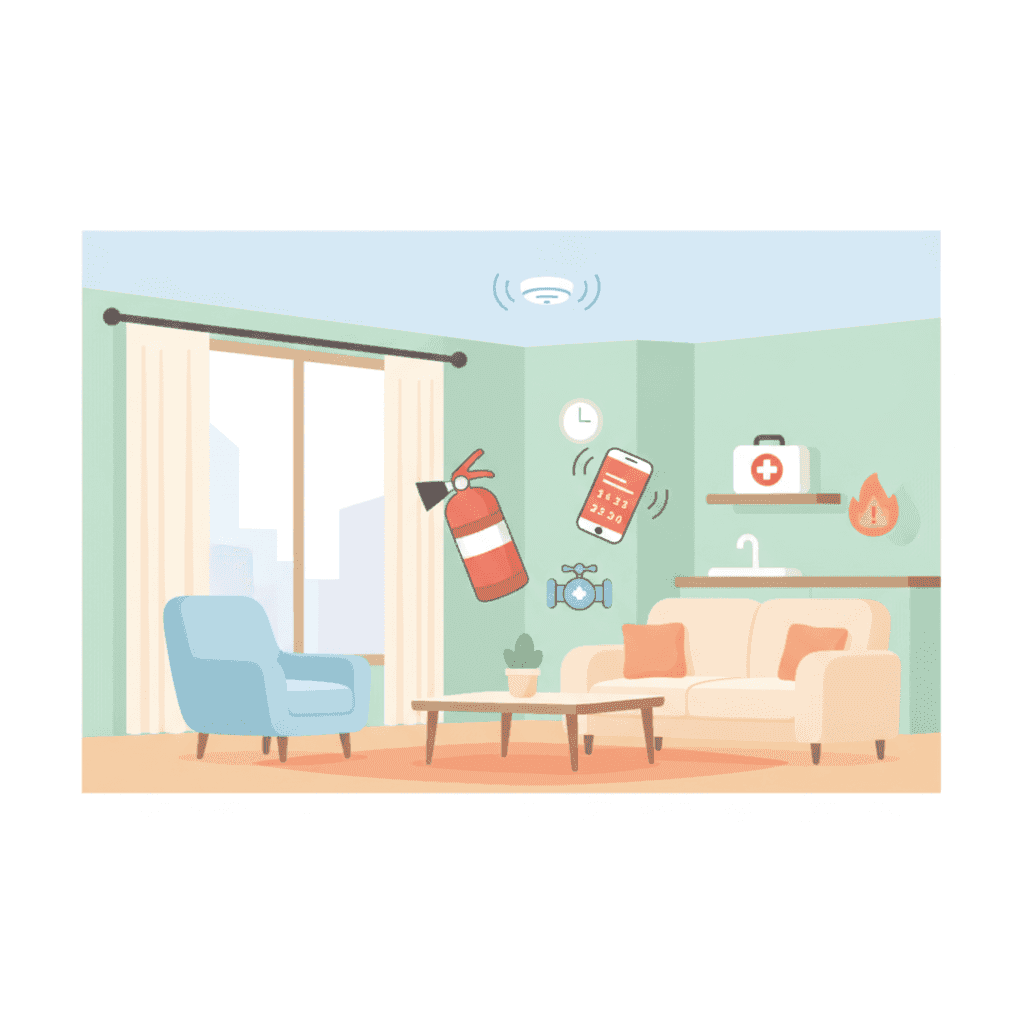
A guest calls you at 3 a.m. Smoke is coming out of the oven. Another day, a water leak floods the downstairs neighbor. Another, someone falls down the stairs and breaks their ankle. Emergencies in vacation rental homes are not frequent, but when they happen, they happen for real. And if you don't have a clear protocol, you end up improvising at 1 a.m. In this post, we explain how to prepare a serious emergency protocol, what information to give to guests, what materials to have at home, and how to act depending on the type of emergency.
Why You Need an Emergency Protocol
Most owners don't have one. And it's noticeable. When something goes wrong, everything gets chaotic: the guest doesn't know who to call, you don't know what to tell them, the neighbor gets angry, the insurance asks for papers you don't have... and the review ends up as 1 star.
A well-structured protocol does three things:
- Protects the guest. They know what to do and who to call in seconds.
- Protects your property. The sooner you act, the less damage.
- Protects your peace of mind. If the guest has the information, you don't have to be a firefighter, plumber, and doctor at 3 a.m.
It's not paranoia. It's common sense. With 20 stays a year, the probability of something unusual happening in 5 years is around 100%.
The 6 Types of Emergencies You Must Cover
Not all emergencies are the same. Some require calling 112. Others, a plumber. Others, just a bit of calm. These are the ones you must definitely have planned:
| Type of Emergency | Priority | Who to Call First |
|---|---|---|
| Fire or smoke | Maximum | 112 |
| Water leak or flooding | High | You or manager + plumber |
| Gas leak | Maximum | 112 + gas company |
| Medical emergency | Maximum | 112 |
| Power outage | Medium | Electric company |
| Theft or intruder | Maximum | 112 |
Each has its own protocol. Let's go step by step.
Fire or Smoke
First: evacuate. Do not try to extinguish the fire unless it's tiny. Your house can be rebuilt. Your guest cannot.
Prepare:
- A 6 kg ABC fire extinguisher in an accessible area (kitchen, near the door).
- Smoke detectors with long-lasting batteries. In the kitchen and hallways.
- Clear evacuation route. A map in the welcome manual.
- Always keep exits unobstructed. No furniture blocking doors.
In the manual, write: "If you see fire or smoke, leave immediately, close the door when leaving, and call 112." No heroics.
Water Leak
This is the most common emergency. And one of the most expensive if the downstairs neighbor gets the worst part.
The guest should know:
- Where the main shut-off valve is. Photo in the manual. Sticker on the valve itself.
- How to turn it off. A drawing if needed.
- Who to call. Your number or the manager's.
You should have on hand:
- A trusted plumber available 24/7 (or almost).
- Home insurance with third-party damage coverage (essential).
- The neighbor's contact details just in case (even if it sounds odd).
Gas Leak
If your home has gas, this is serious. Instructions to the guest:
- Do not turn anything on or off. Not the lights. Not the mobile inside.
- Open windows.
- Turn off the gas valve (photo in manual).
- Leave the house.
- Call 112 from outside.
If possible, consider switching to vitroceramic or induction cooktops. Less trouble, more safety. We discuss this in the post about appliances in vacation rentals.
Medical Emergency
The guest cuts themselves, falls, or has an allergic reaction. You are not a doctor, do not try to be.
In the manual:
- Emergency number: 112.
- Exact address of the property (to give to 112). Include postal code and landmarks.
- Nearest hospital with address and directions.
- Closest pharmacy.
And have a decent first aid kit. We talked about what to include in the first aid kit post.
Power Outage
Usually caused by a tripped breaker. In the manual:
- Photo of the electrical panel.
- Instructions to reset the breaker.
- What to do if power doesn't return: call the utility company (number written) or notify you.
If it's a neighborhood-wide outage, there's little you can do. But at least the guest won't spend half an hour searching for the panel.
Theft or Intruder
Rare but happens. Simple instructions:
- Do not confront.
- Leave if possible or lock yourself in a room.
- Call 112.
- Notify you when it's safe.
If you have a smart lock, even better. You can change the code instantly. We discuss this in the post about smart locks.
What Information the Guest Should Always Have
This goes in the welcome manual and also on a magnet on the fridge or a laminated notice in sight. Panic-stricken people don't look for PDFs.
- Exact address of the property (to give to 112).
- Your phone or the manager's, 24/7.
- 112 (general emergencies).
- 061 (health emergencies, depending on the community).
- 091 / 092 (national/local police).
- 080 (fire brigade, in some cities).
- Company phones (electricity, gas, water) with supply number.
- Location of shut-off valves (water, gas, electrical panel) with photos.
- Nearest pharmacy and hospital.
Put this in Spanish and English. If your clientele is German or French, translate as well. A panicked guest in an unfamiliar language is a disaster.
If you want to go deeper into how to set up the manual, we recommend the post Welcome Manual in your vacation rental.
Physical Materials You Must Have in the Property
It's not optional. This is the minimum:
| Item | Approximate Cost | Where to Place |
|---|---|---|
| 6 kg ABC fire extinguisher | 30-50 euros | Kitchen or entrance |
| Smoke detector | 15-30 euros each | Kitchen, hallways, bedrooms |
| CO detector (if gas present) | 25-40 euros | Near boilers or kitchen |
| Basic first aid kit | 20-40 euros | Bathroom or kitchen |
| Flashlight with batteries | 10-15 euros | Accessible drawer |
| Fire-resistant blanket | 15-20 euros | Kitchen |
| Laminated emergency sign | 5 euros | Fridge or entrance |
Total: about 120-200 euros. It pays off the first incident you prevent.
Your Role: What You Do When Something Happens
When the guest calls you during an emergency, your job is:
- Confirm they and their party are okay. Absolute priority.
- Ensure they have called 112 if needed. If not, call yourself.
- Coordinate repairs: plumber, electrician, locksmith, whatever.
- Document everything: photos, time, what happened. For insurance.
- Communicate with neighbors if affected (water leak to downstairs, noise from firefighters...).
- Offer a solution to the guest: rebooking, discount, whatever is appropriate.
Keep an emergency contacts list saved on your phone and in the cloud:
- 24/7 plumber
- Electrician
- Locksmith
- Urgent cleaning service
- Insurance (policy number and phone)
- Community manager
Insurance: Don't Play Without It
A good protocol is worthless if your insurance doesn't cover. You need at least:
- Liability insurance for third-party damages (flooded downstairs neighbor, guest who falls).
- Building and contents coverage with sufficient limits.
- Specific tourist rental policy. Regular home insurance doesn't cover vacation rentals.
More details at What insurances do you need for your vacation rental.
Common Mistakes to Avoid
- Relying on "nothing will ever happen." Until it does.
- Not reviewing materials periodically. Extinguishers expire. Batteries in detectors too.
- Only digital information. In an emergency without power or WiFi, the PDF manual is useless.
- Not translating instructions. A French guest in panic won't read fluent Spanish.
- Not giving your phone number. So the guest can reach you 24/7.
- Not documenting what happens. Without photos and reports, insurance won't cover.
How Autoregistro Fits In
Emergencies share something with guest registration: the more automated it is, the better you sleep. Autoregistro ensures your guests' data reach SES Hospedajes automatically, without you having to enter them manually after check-in.
The guest fills out a form, the data go directly to SES, and you have free time to focus on what matters: checking smoke detectors, updating the first aid kit, or just sleeping peacefully. It costs 1 euro per month per property. Less than a coffee.
Frequently Asked Questions
Is it mandatory to have a fire extinguisher in a vacation rental?
It depends on the autonomous community. In some, it's mandatory for vacation rentals (Andalusia, Canary Islands, Valencia...). In others, it's "recommended." Regardless of regulations, having one costs 30 euros and can prevent a fire. Install it.
Can I give my personal number to the guest for emergencies?
Yes, and you should. Or your manager's. In a real emergency, nobody wants to talk to a chatbot. If privacy concerns you, hire a second line number just for the business.
What if the guest causes the problem (e.g., leaves something on the stove)?
Insurance usually covers damages to the property and third parties. The guest's responsibility is settled afterward, with the report and evidence. That's why documenting everything with photos, time, and description is key.
Should I have a written evacuation plan?
In normal vacation rentals, it's not mandatory, but a simple map with the escape route in the manual helps a lot. In large apartments or rural houses with many guests, it's highly recommended.
How often should I review emergency materials?
Smoke detectors: test monthly, change batteries annually. Fire extinguisher: monthly visual check, professional maintenance every 5 years (legally required). First aid kit: quarterly review for expiry dates. Include it in your preventive maintenance schedule.
Related posts

First Aid Kit and Emergency Supplies in Vacation Rentals: What to Include, What to Avoid, and What the Law Says
Practical guide to setting up the perfect first aid kit in your vacation rental: what is mandatory by autonomous community, which medications you should NOT leave, and how to avoid legal issues if a guest has an accident.
Welcome Manual for Your Vacation Rental: What to Include, How to Do It, and Why It Saves You Problems
A good welcome manual reduces messages, avoids misunderstandings, and improves reviews. I tell you what to include, how to structure it, and common mistakes I see in novice owners.
Ready to automate your guest registration?
Create your account and start streamlining SES Hospedajes compliance for your Spanish rentals.
Get started